


What is Loden?
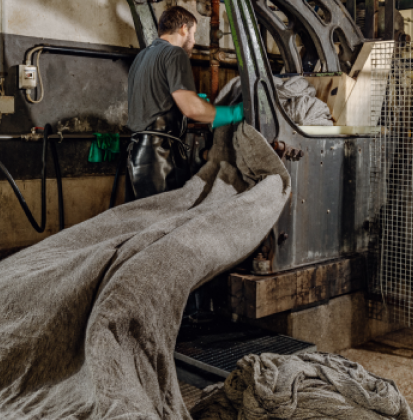
Wool has been an important raw material for humans since time immemorial. Sheep were domesticated as long as 10,000 years ago, making them one of the oldest farm animals. People made use of the renewable wool by processing it into warm fabrics. Another significant discovery was that kneading the woollen fabrics in soapy water compacted the fibres, thereby enhancing their properties.
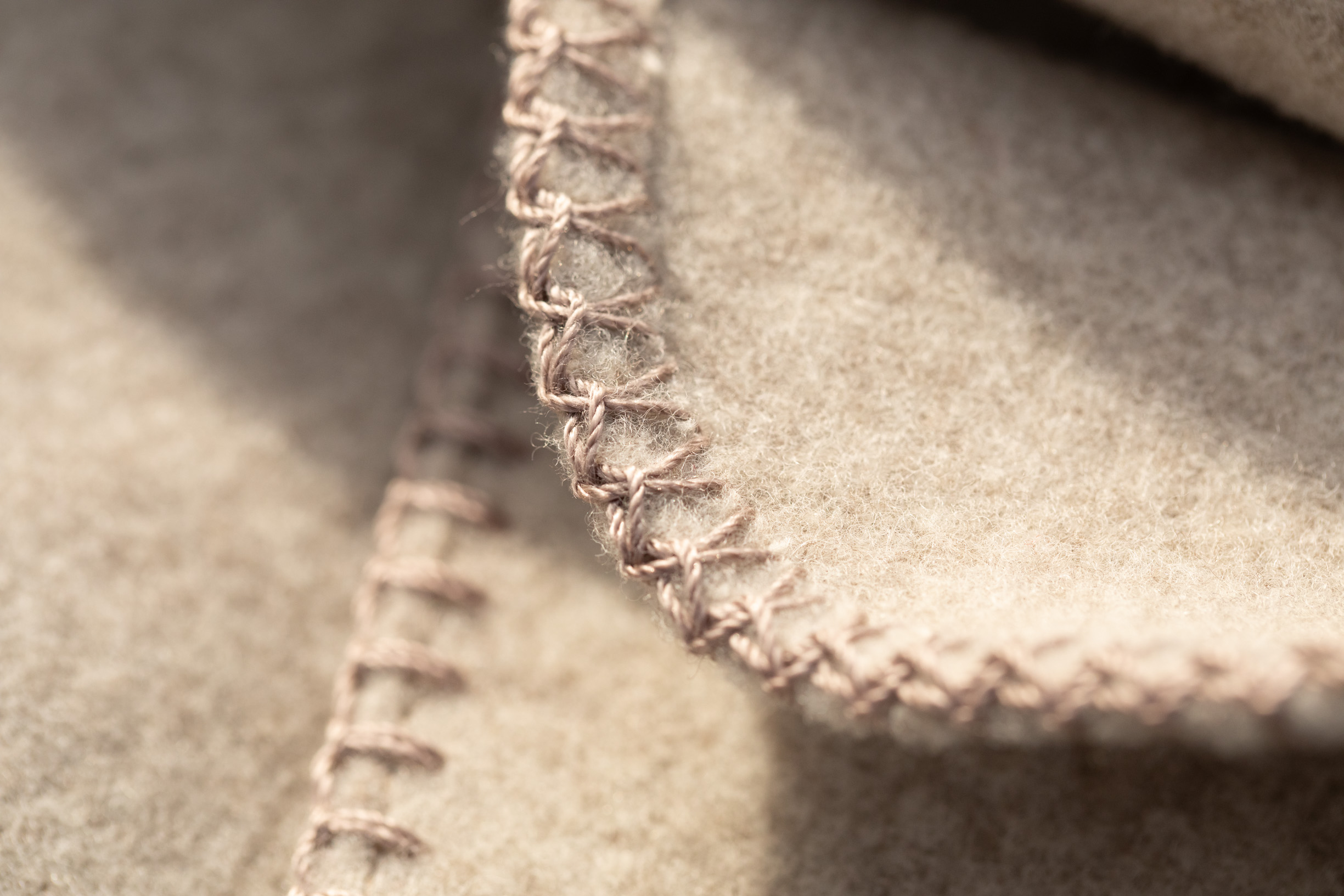
"Loden refers to woven woollen fabrics that are felted – and thus made denser – using warm water, soap and friction. This process is known as fulling. It further enhances the beneficial properties of the wool."
Herbert Steiner, loden manufacturer

How is loden made?
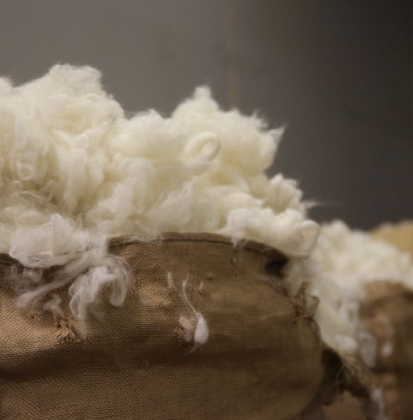
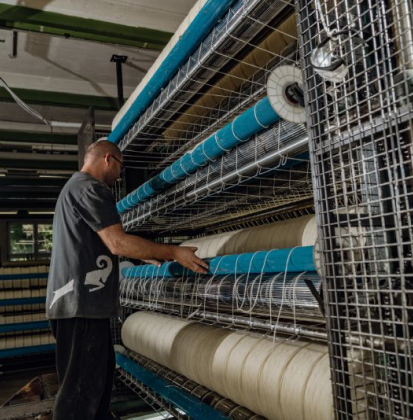
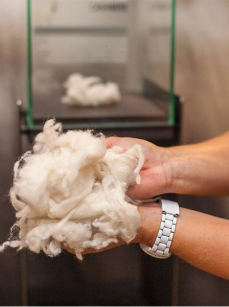
The most important basic ingredient for loden is wool. In our workshop, we use only virgin wool from mountain sheep, merino, alpaca and the cashmere goat. The term ‘virgin wool’ means that the wool is sheared from a live animal. It is therefore a high-quality, renewable raw material. A multi-stage process is required to produce warm and hard-wearing loden.
1. Choosing the wool
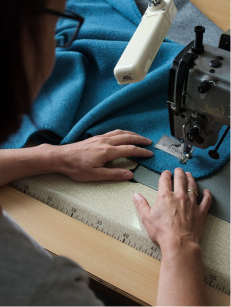
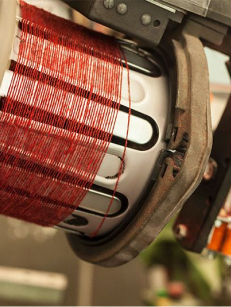
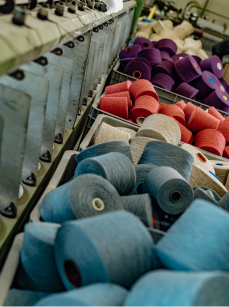
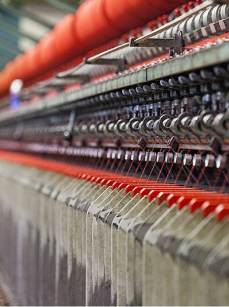
2. Carding, Spinning & Weaving
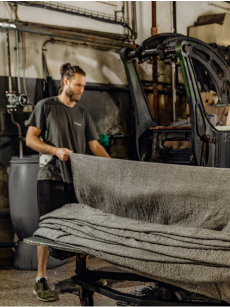
3. Walking
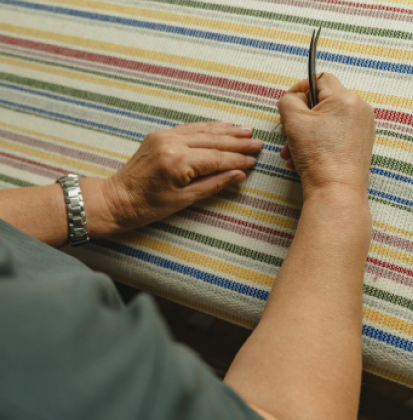
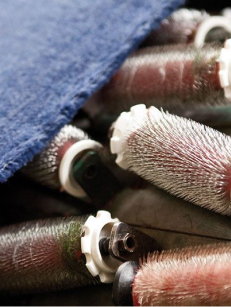
4. The finishing process
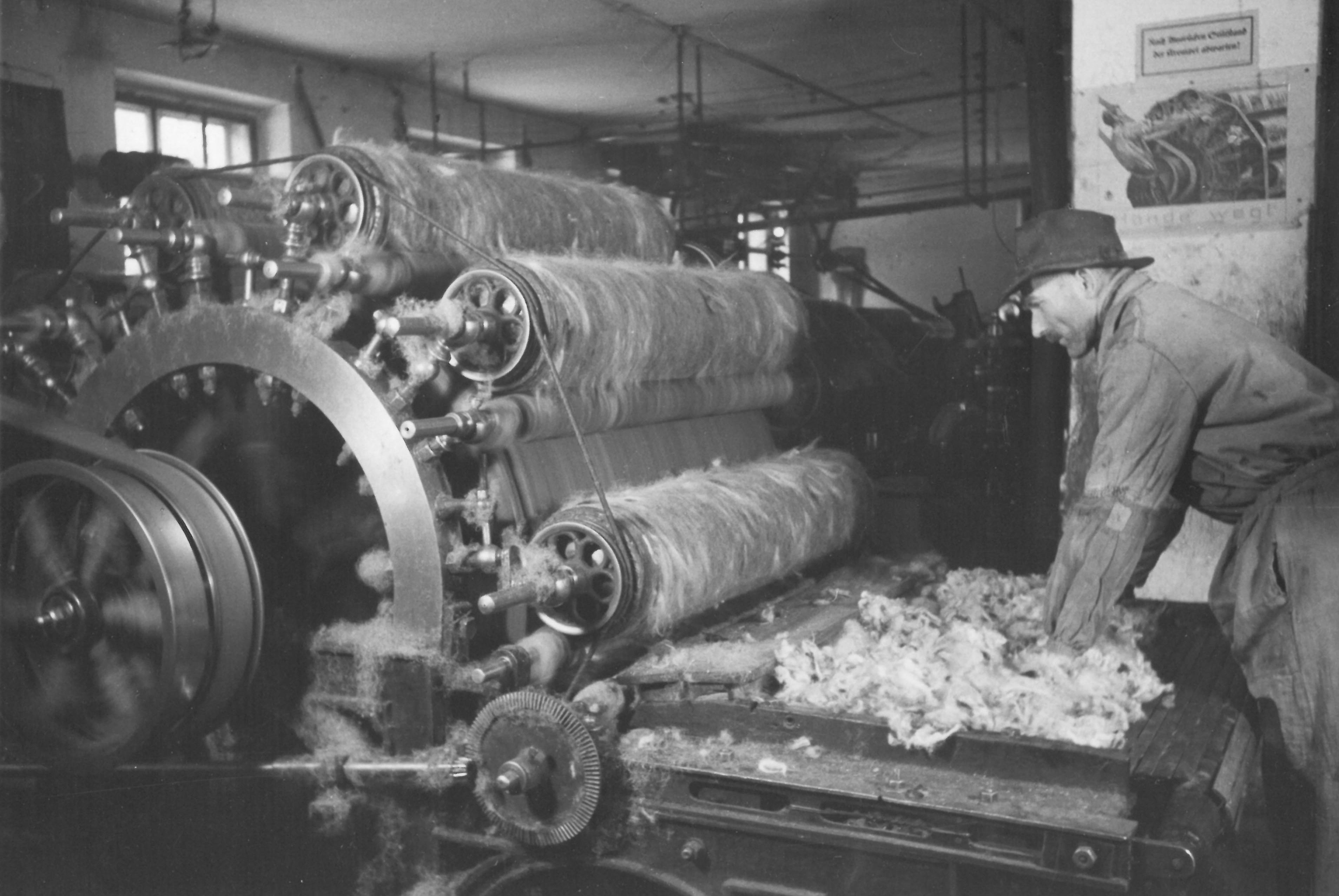
The History of Loden
The need to protect themselves from the cold and inclement weather has made people inventive. In the early days of loden production, the wool fibres were woven by hand into a coarse fabric and then laboriously kneaded with the feet in water. This produced a felted fabric, which was then made into warm clothing and blankets. The term ‘lodo’, from which ‘loden’ is derived, probably comes from Old High German and means ‘coarse fabric’. Over the course of history, loden production has become increasingly refined. Industrialisation and the manufacture of specialised textile machinery, in particular, have simplified the production of these fabrics. There are now a wide variety of weaving and fulling techniques that are utilised in the production of high-quality fabrics. Depending on their intended use, the woven fabrics are fulled to a greater or lesser extent.
Types of fabric
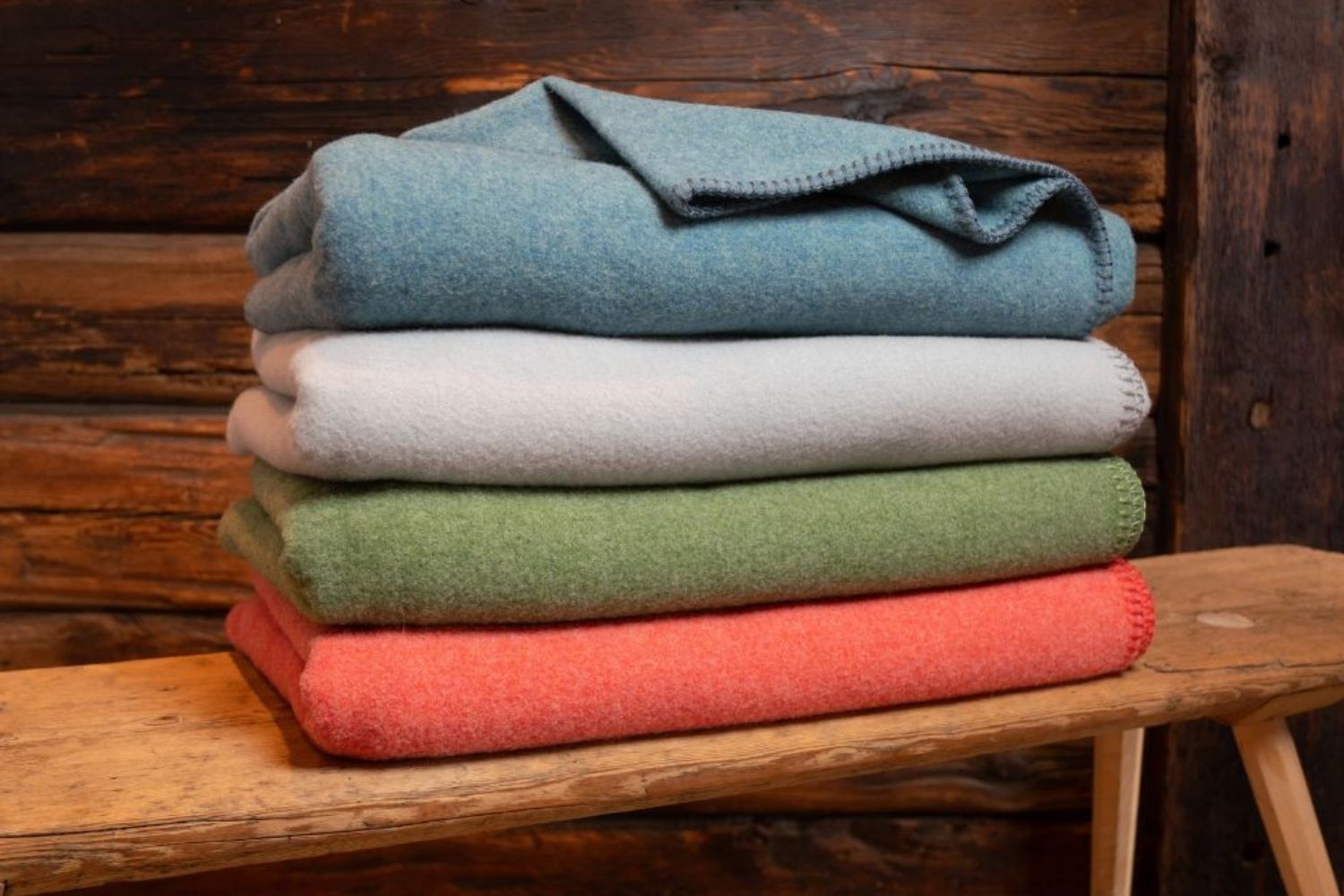
Depending on how the wool is processed, different types of fabric are produced. These different manufacturing processes result in varying properties and areas of application. Loden, however, is the most hard-wearing of these wool fabrics and is therefore particularly well suited for use in clothing, upholstery fabrics and blankets.
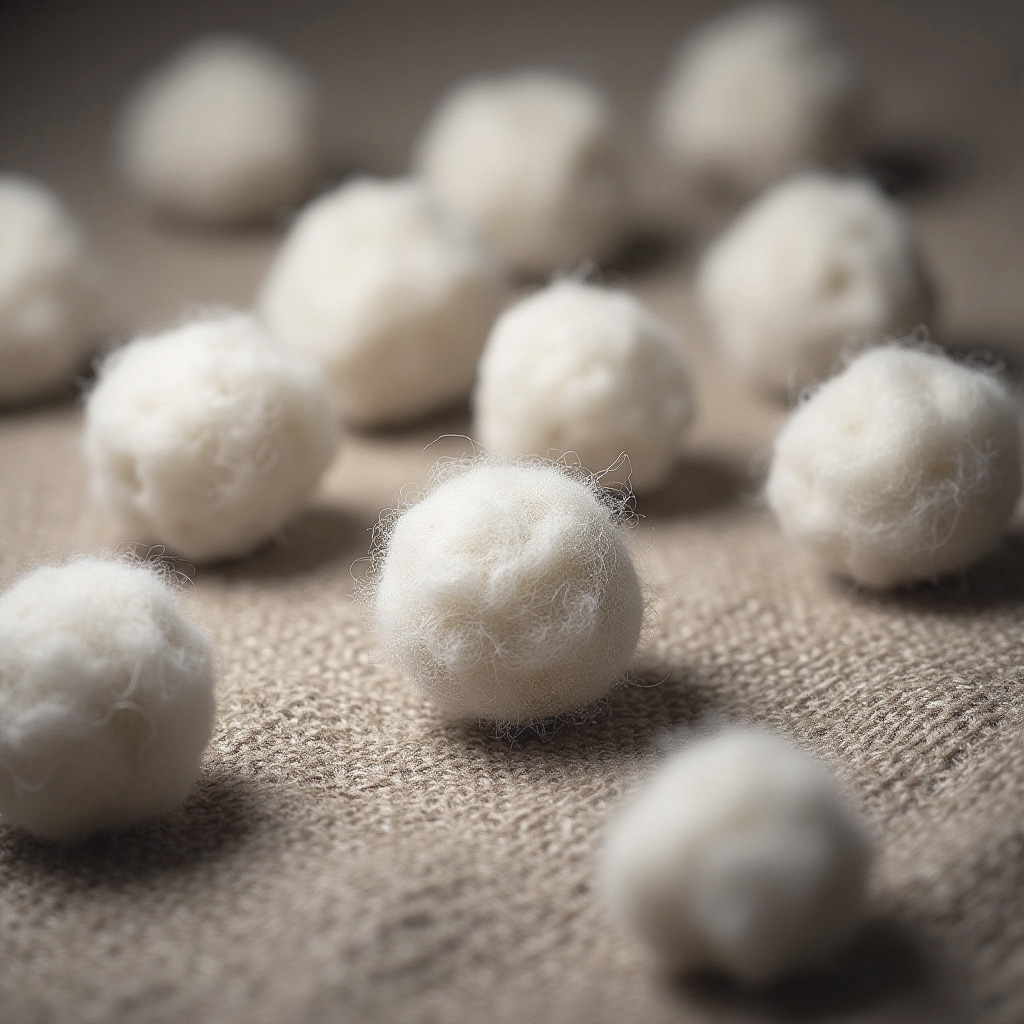
Wool felt
Wool felt is produced by matting raw wool using moisture, heat and pressure. The result is a dense, dimensionally stable material – typically used for accessories or technical applications.
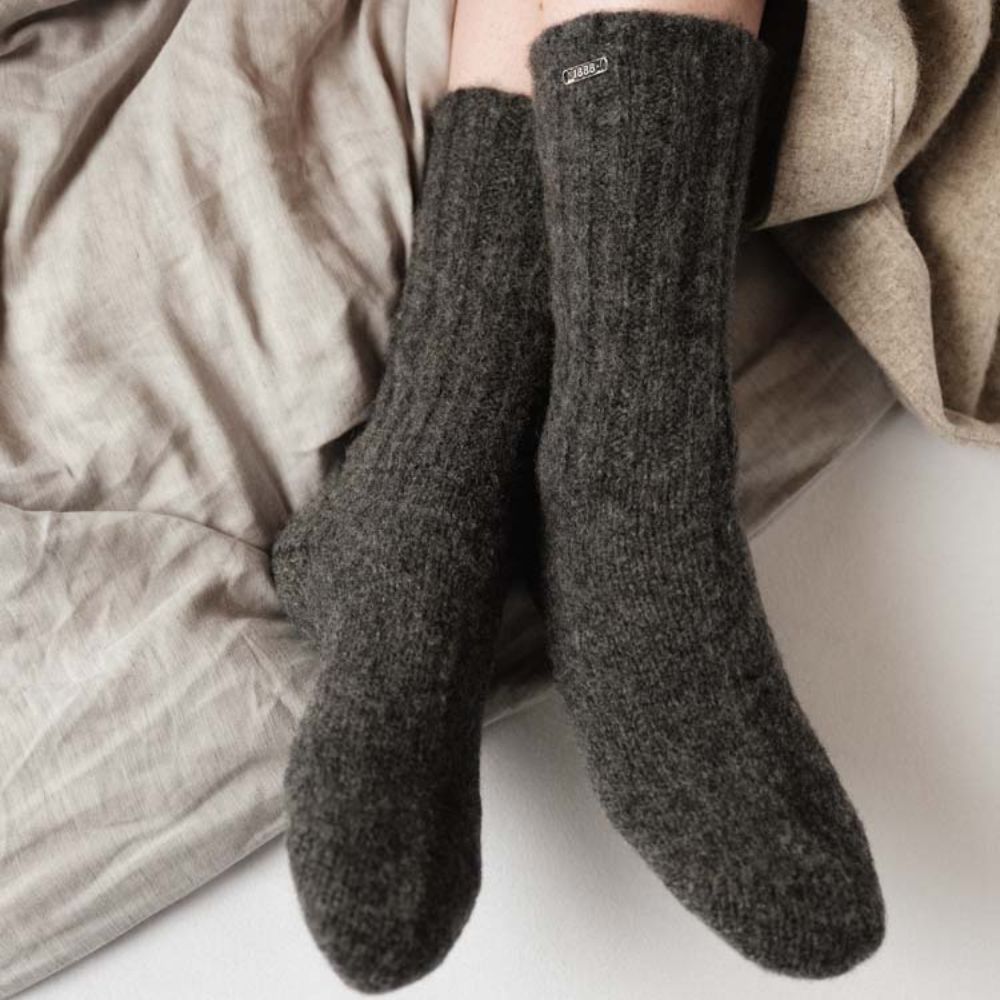
Felted wool
Felted wool is made from knitted or woven wool that has been subsequently felted. This produces a soft, stretchy fabric with a subtle knitted texture. It is mostly used for children’s clothing or functional garments.
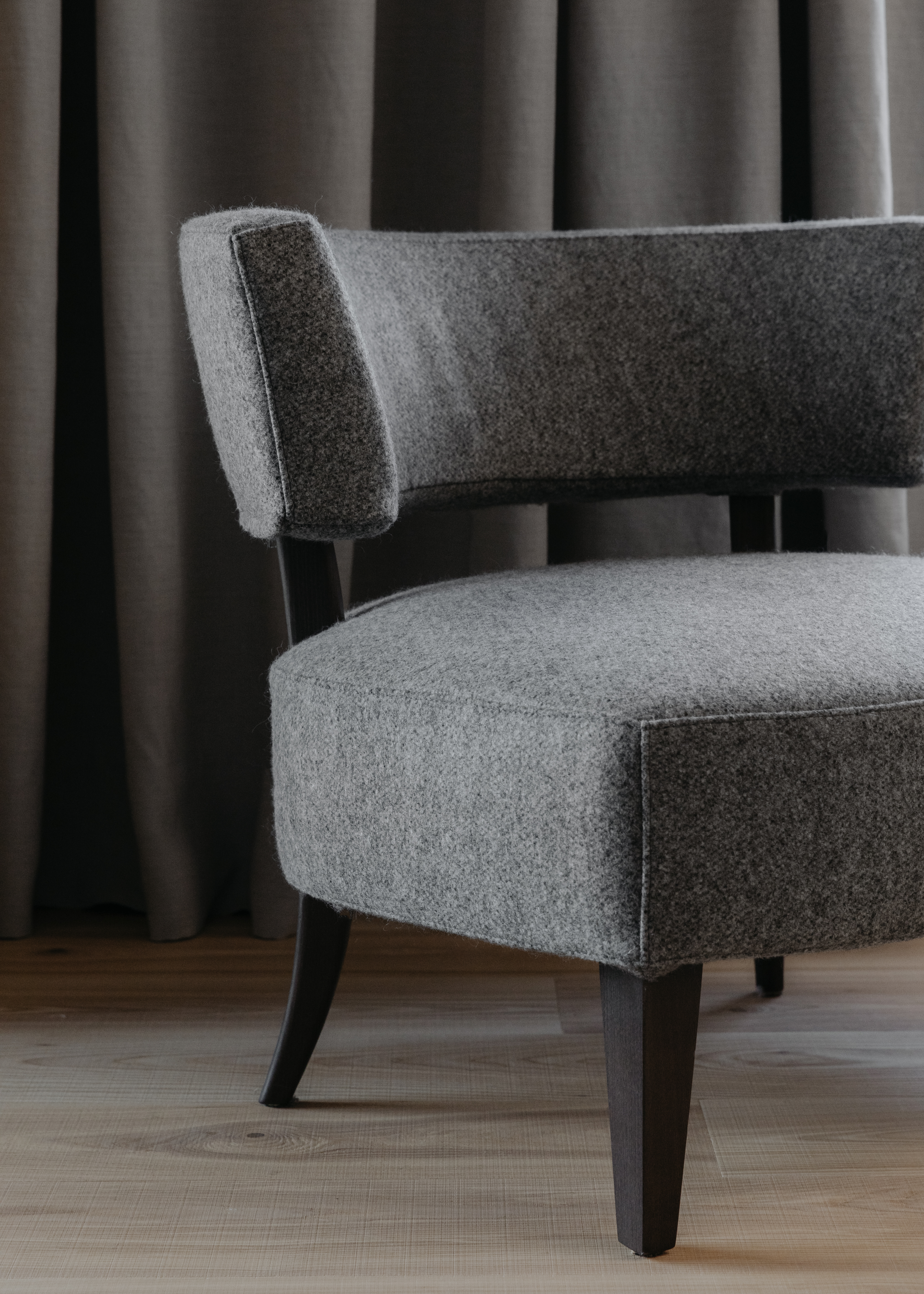
Walkloden
Walkloden is a woven woollen fabric that is finished through intensive fulling. This makes it particularly hard-wearing, wind- and water-repellent. At Steiner1888, Walkloden is our speciality – beautifully crafted, durable and ideal for clothing, blankets and upholstery fabrics.
Special characteristics of loden fabrics
WATER-REPELLENT
TEMPERATURE-COMPENSATING
QUIET
EASY TO LOOK AFTER
BREATHABLE
ODOUR-CONTROL
FLAME-RESISTANT
WOOL TYPE
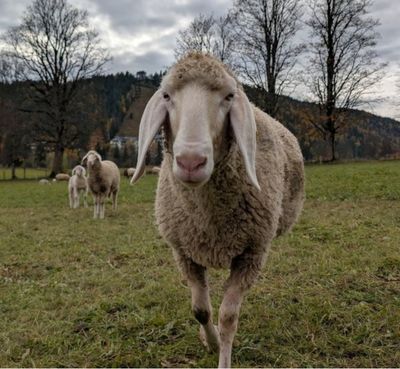
AUSTRIAN MOUNTAIN SHEEP
Robust, warm, classically beautiful.
The mountain sheep originated in the Austrian Alps. The animals are shorn twice a year before and after the alpine season. Steiner1888 uses the wool to produce blankets of incomparably hard-wearing and cozy-warm quality. Wool blankets made from pure new wool from mountain sheep are moisture and dirt repellent. This also makes them ideal for outdoor use. They are also increasingly being used as healthy sleeping blankets.
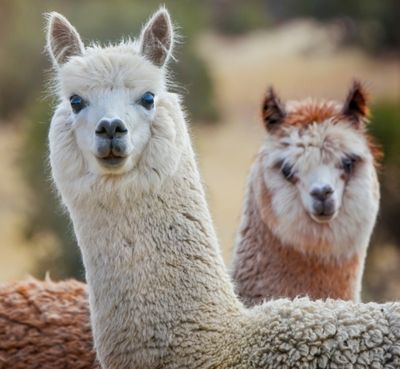
ALPAKA WOOL
Lightweight & colorful.
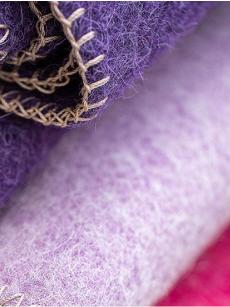
Alpaca wool has excellent thermal properties. The reason for this is the fiber structure. This ensures perfect heat balance and is also very light. Home textiles made from virgin alpaca wool are considered durable as they are three times more tear-resistant than sheep's wool. Alpaca textiles are particularly vibrant when dyed. Even undyed, the wool shines in incomparably beautiful natural tones. Due to its antibacterial components, alpaca wool is the perfect choice of blanket for allergy sufferers.
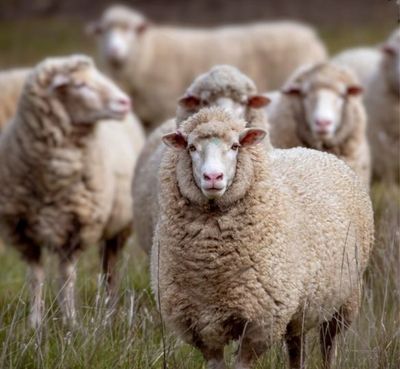
MERINO WOOL
Soft and airy, wonderfully warm.
Probably the best known type of sheep is the merino sheep. Its new wool is considered to be particularly fine, elastic, antistatic and fire-repellent. It produces between two and three kilograms of the finest quality wool per year. Blankets made from this wool are considered to be particularly airy, soft and warm. These fibers have a cooling effect in summer and a warming effect in winter. External influences such as dirt and odors do not affect the fine material.
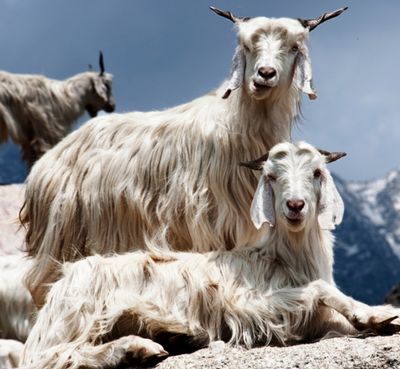
CASHMERE WOOL
For true connoisseurs.
Cashmere goats come from the region of the same name in Asia. Their wool coat is thick, as they live in harsh conditions at around 4000 meters above sea level at temperatures of up to minus 40 degrees. The fine hair is obtained from the undercoat. It is considered to have fine fibers and is one of the finest types of wool. Steiner1888 chooses cashmere for blankets because of its soft but durable qualities. It warms many times better than sheep's wool and does not crease. Cashmere wool is the ideal material for home textiles. Due to its longevity, cashmere blankets are of lasting value.