




Unwashed Mountain Sheep Wool -
A Natural Super Fertiliser
The gardening season is beginning – and many home gardeners ask the same question: which fertiliser is best for vegetables, raised beds and garden plants? One particularly natural and sustainable solution is unwashed sheep’s wool. It acts as an organic slow-release fertiliser while offering several additional benefits for both soil and plants.
Sheep’s wool is a pure natural material and contains valuable nutrients, particularly nitrogen. This supports the healthy growth of leafy plants, flowering plants and vegetables in the garden. Unlike many conventional fertilisers, sheep’s wool releases its nutrients gradually into the soil. As a result, plants are nourished evenly over several months while the risk of over-fertilisation is significantly reduced.
At the same time, sheep’s wool improves soil structure. The fibres help to loosen the soil, stimulate the activity of beneficial microorganisms and support long-term plant health. For this reason, sheep’s wool is increasingly used as a sustainable fertiliser in natural and ecological gardening.
Benefits of Sheep’s Wool as a Fertiliser
Sheep’s wool combines several natural properties that make it an exceptionally effective organic fertiliser.
- Organic slow-release fertiliser: Sheep’s wool supplies plants with essential nutrients gradually over many weeks.
- Natural water retention: Wool fibres can absorb several times their own weight in water and release it slowly back into the soil. This helps the soil retain moisture for longer and protects plants during dry periods.
- Ideal for mulching: Unwashed sheep’s wool helps protect the soil from drying out and may also help deter slugs.
- Improves soil structure: As the wool slowly decomposes, it encourages soil life and supports long-term soil health.
- Sustainable natural resource: Sheep’s wool is fully biodegradable and sourced from a naturally renewable regional resource.
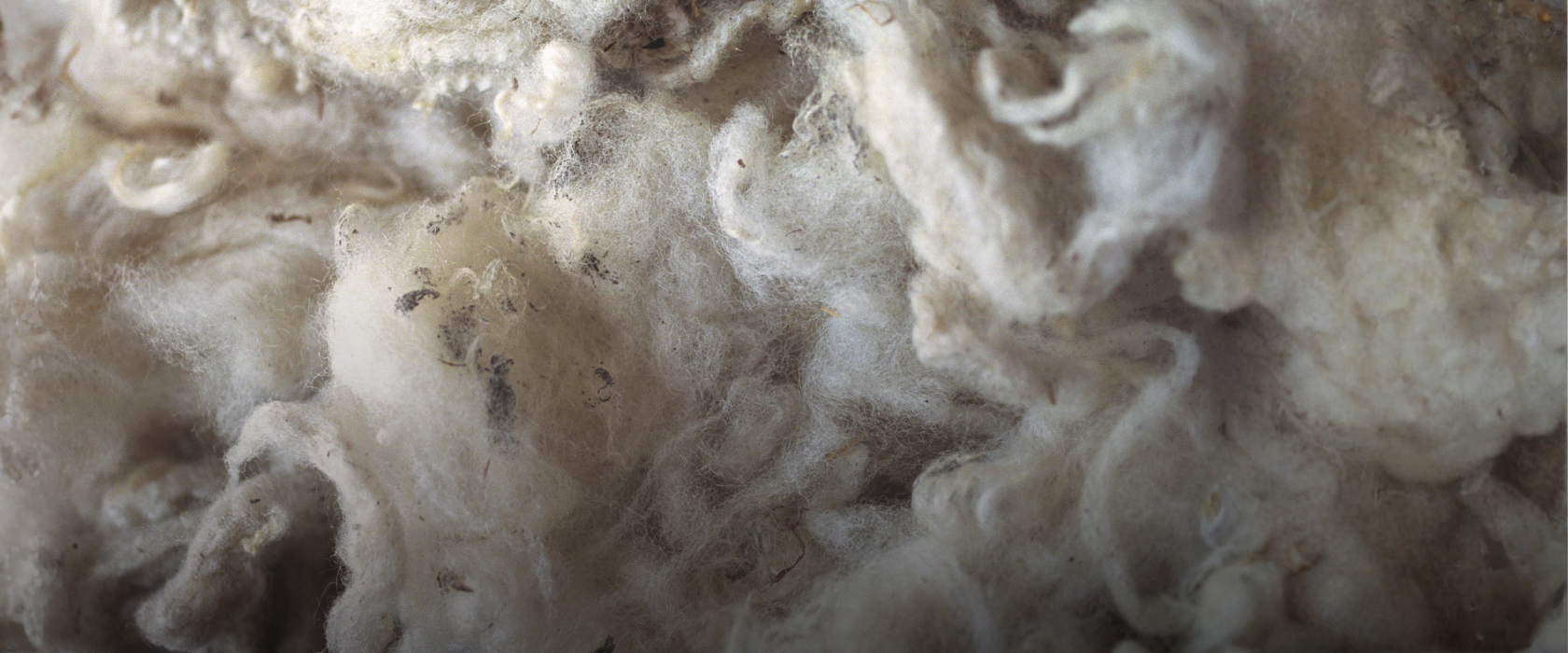
Raw Sheep Wool from Steiner1888
At Steiner1888 in Mandling, Austria, you can purchase high-quality raw mountain sheep wool in a practical jute sack – ideal as a natural fertilizer for vegetable gardens, raised beds, fruit trees, and garden plants. The untreated wool provides the soil with nutrients over a long period and supports healthy plant growth.
Each jute sack contains 2.5 kg of raw sheep wool and offers a simple, sustainable way to fertilize your garden naturally. As the wool is completely untreated, it has a characteristic natural scent. We therefore recommend storing it outside the house, for example in a garden shed or storage building.
Sheep’s Wool as Fertiliser for Vegetables, Fruit and Garden Plants
The recommended amount of sheep’s wool used as fertiliser depends on the nitrogen requirements of the respective plants. Crops with lower nutrient demands, such as lamb’s lettuce or radishes, require only small quantities, while more demanding vegetables like broccoli or tomatoes benefit from a higher nutrient supply.
Sheep’s wool can also be used when planting new trees and shrubs. In addition to providing nutrients, it may also help deter voles and other burrowing pests.
Recommended Dosage
| Fruit / Vegetables | Recommended Amount |
| Beans, Peas, Lamb’s Lettuce, Radishes | 50 g / m² |
| Lettuce, Cucumbers, Carrots | 100 g / m² |
| Broccoli, Chinese Cabbage, Cauliflower, Tomatoes, Leeks | 150 g / m² |
| Stone Fruit Trees | 140 g / tree |
| Pome Fruit Trees | 100 g / tree |
| Berry Bushes | 100 g / bush |
Which Nutrients Does Sheep’s Wool Release into the Soil?
Sheep’s wool consists primarily of the natural protein keratin and contains a range of valuable plant nutrients. As the fibres slowly decompose in the soil, microorganisms gradually break them down and release important nutrients in the process.
The most significant component is nitrogen (approx. 10–12%), which strongly supports the growth of plants, leaves and vegetables. In addition, sheep’s wool contains sulphur, potassium and phosphorus, which help promote root development, strengthen plant resilience and improve nutrient uptake.
Alongside these primary nutrients, sheep’s wool also provides small amounts of trace elements such as iron, zinc and magnesium, all of which play an important role in healthy plant metabolism.
Because sheep’s wool decomposes slowly in the soil, nutrients are released gradually over several months. This makes it a natural slow-release fertiliser, while also improving soil structure and supporting a healthy, active soil ecosystem.
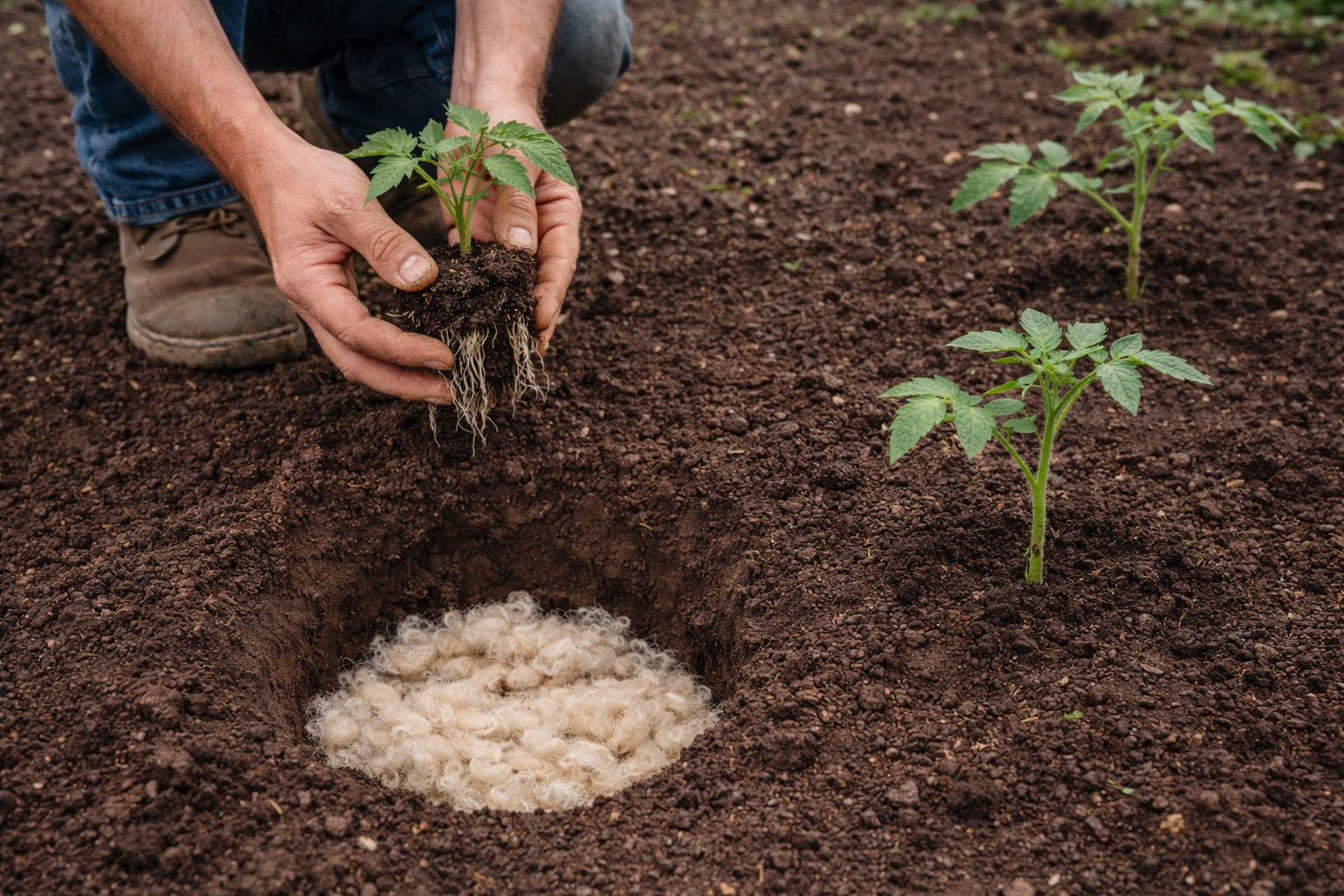
How to Use Sheep’s Wool as a Natural Fertiliser in the Garden
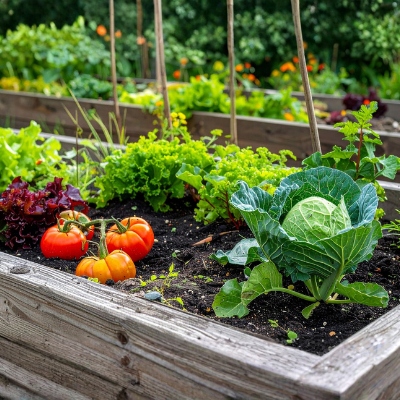
In Vegetable Beds and Raised Beds
When planting new seedlings in vegetable beds or raised beds, it is recommended to place a loose layer of sheep’s wool in the planting hole, depending on the nutrient requirements of the plants, and then cover it with soil. As the wool slowly decomposes, the nutrients it contains are gradually released and evenly supplied to the plants. Vegetables such as tomatoes, cucumbers or broccoli particularly benefit from this continuous supply of nitrogen.
As sheep’s wool can also store a considerable amount of moisture, watering should be done more sparingly to prevent the roots from remaining excessively wet. Sheep’s wool also works very well as a mulching material. It protects the soil from drying out, helps retain moisture in the bed for longer and may also help to deter slugs. Birds also like to use wool as nesting material, so do not be surprised if a feathered “thief” occasionally takes a little for its nest.

When Planting Trees and Shrubs
When planting new trees and shrubs, sheep’s wool can be placed directly into the planting hole. It supports young plants during the establishment phase by providing essential nutrients, improving water retention in the soil and encouraging healthy root development.
Because sheep’s wool retains moisture well, the soil around the root zone stays evenly moist for longer. Watering can therefore be carried out more moderately. In addition, many gardeners report that the natural scent of the wool can help to deter voles.
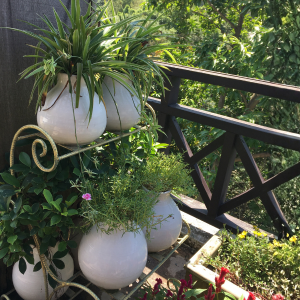
For Potted and Balcony Plants
Sheep’s wool is also an excellent natural fertiliser for potted and balcony plants. A small amount of wool can be mixed directly into the potting soil when repotting or placed as a lower layer in the pot. It stores water, gradually releases nutrients to the plants and ensures a steady supply of nourishment for herbs, flowers and balcony plants.
As wool retains water very effectively, watering should be carried out more sparingly. Excessive or frequent watering may cause the roots to remain too wet. When watering is adjusted accordingly, sheep’s wool helps create a balanced moisture level in the soil and supports healthy plant growth.
Video: Sheep’s Wool as an Organic Fertiliser
How sheep’s wool can be used effectively in the garden is demonstrated step by step in this video by ORF organic gardening expert Angelika Ertl. She explains how unwashed sheep’s wool can be applied in vegetable beds, raised beds or when planting trees, and highlights the advantages it offers as a natural slow-release fertiliser.
Angelika Ertl has been sharing advice on organic gardening and sustainable vegetable growing for many years and regularly appears in ORF programmes with practical gardening tips.