



AUpholstery cleaner with a little wine vinegar
B Alcohol, diluted 1:5 with water
C1 tsp borax solution 2% dissolved in warm water

Products made from natural wool by Steiner1888 may sound as if they possess almost superhuman qualities — but the truth is: it all comes down to proper care.
While all loden products offer exceptional natural properties such as water repellency, temperature regulation, and remarkable durability, there are a few simple steps you can take to preserve and even enhance these qualities over time.
Most of our blankets are designed to be machine washed at 30°C on a wool cycle. We recommend using a suitable wool detergent. Please refer to the care label – usually located beneath the Steiner1888 tag – to check whether your blanket is suitable for machine washing.
In general, wool products do not require frequent washing, as the fibres naturally regenerate. In many cases, it is sufficient to air the blanket in a humid environment (e.g. outdoors or in the bathroom after showering) to remove odours. Only if this is not effective do we recommend further care steps according to the care label.
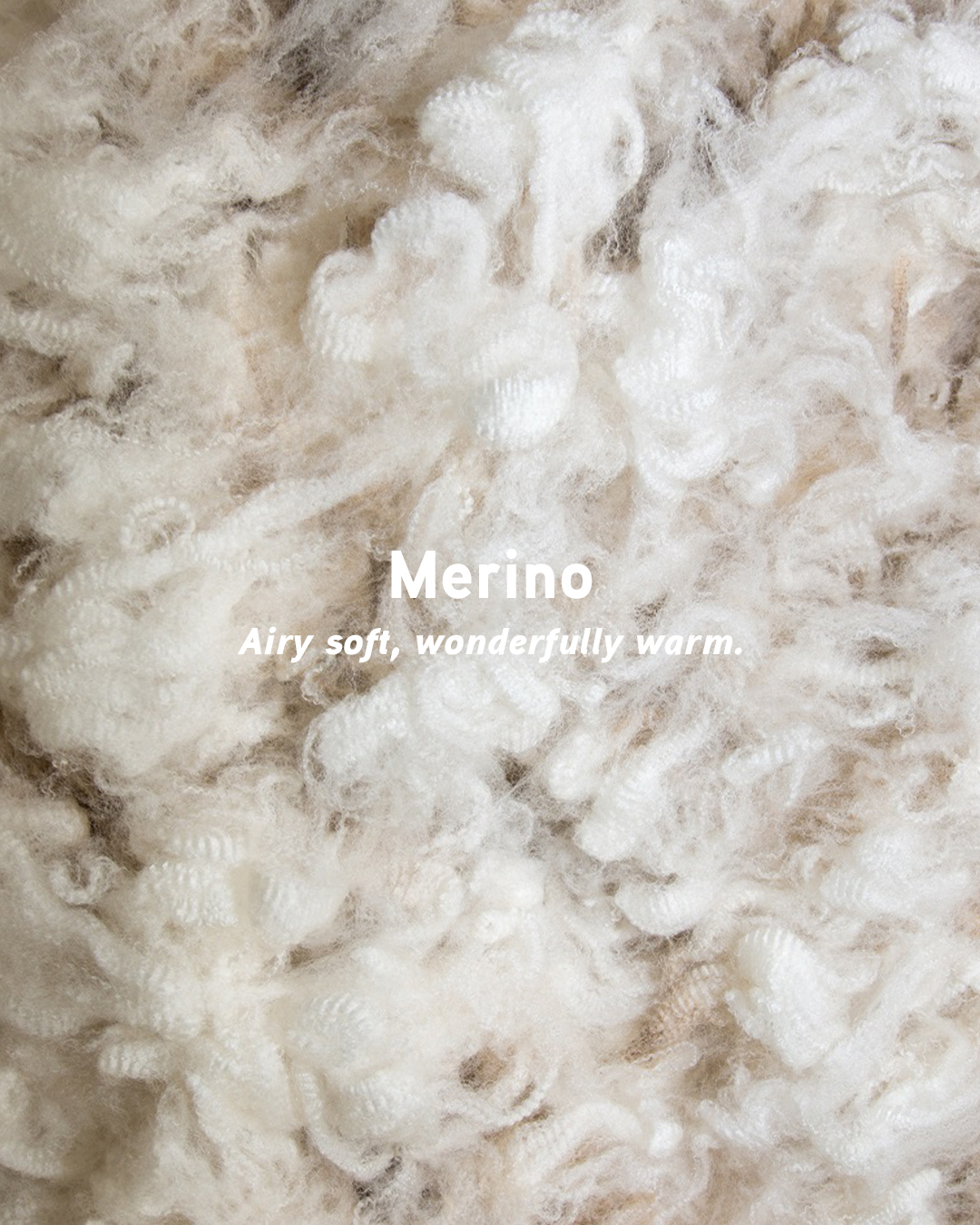
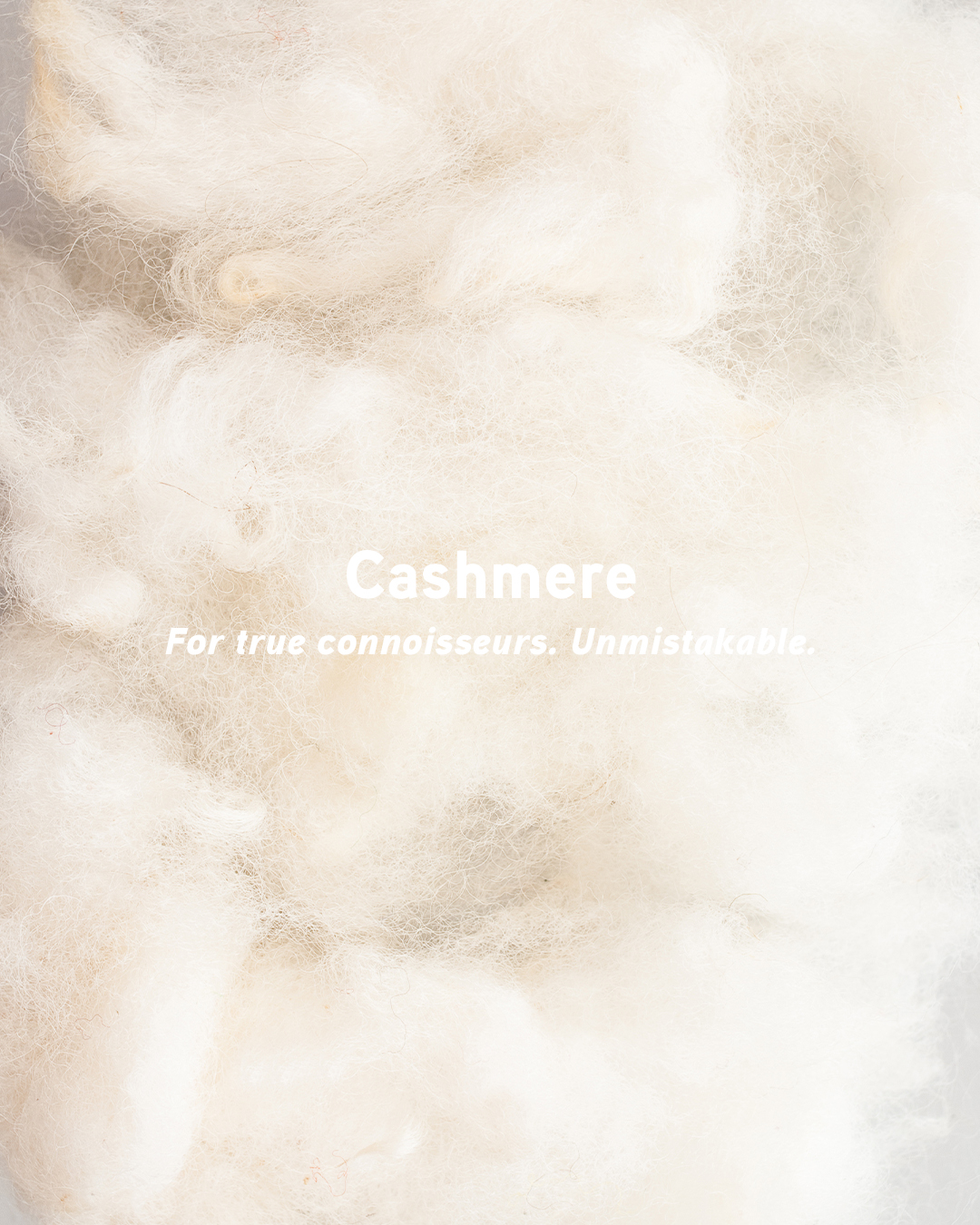
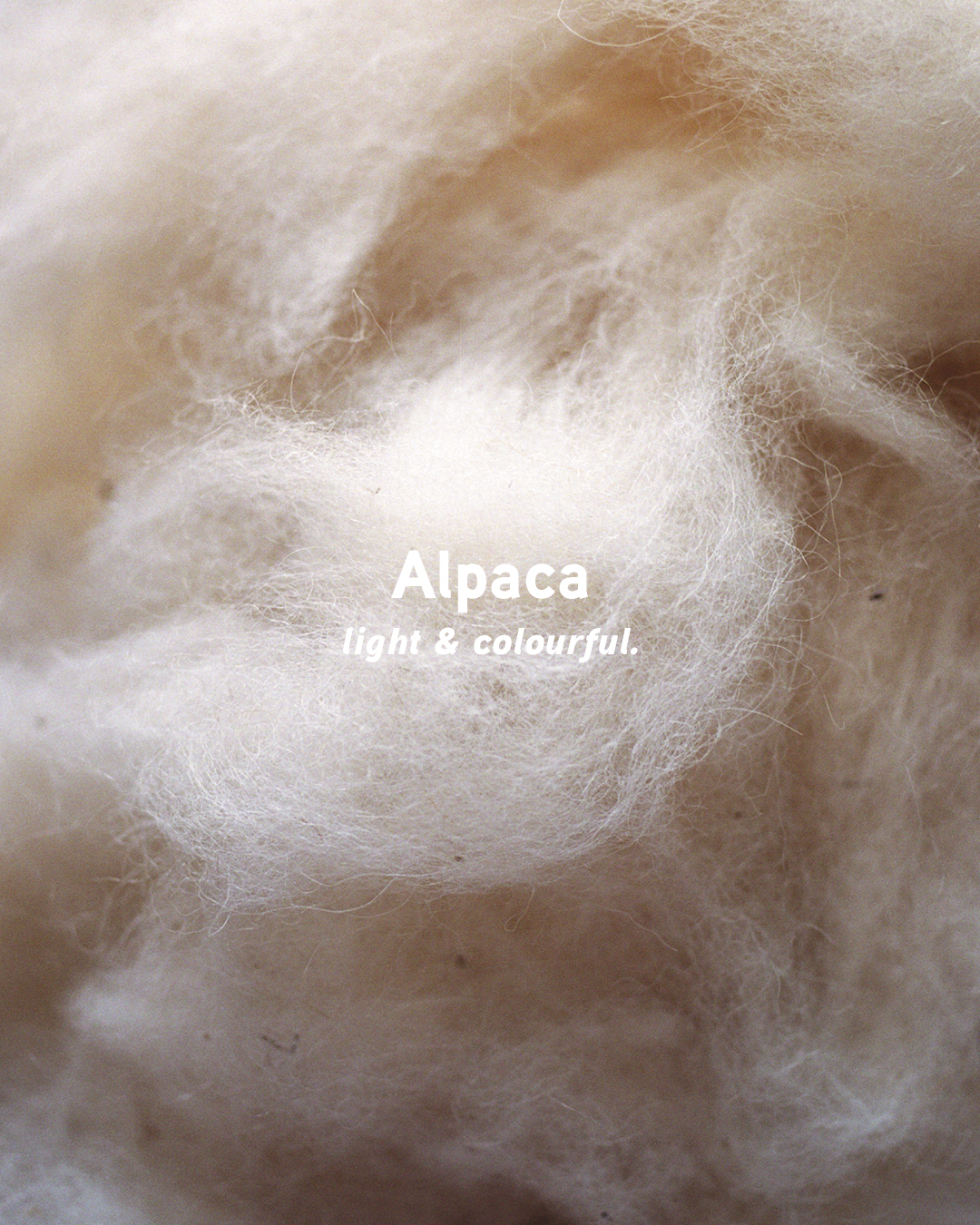
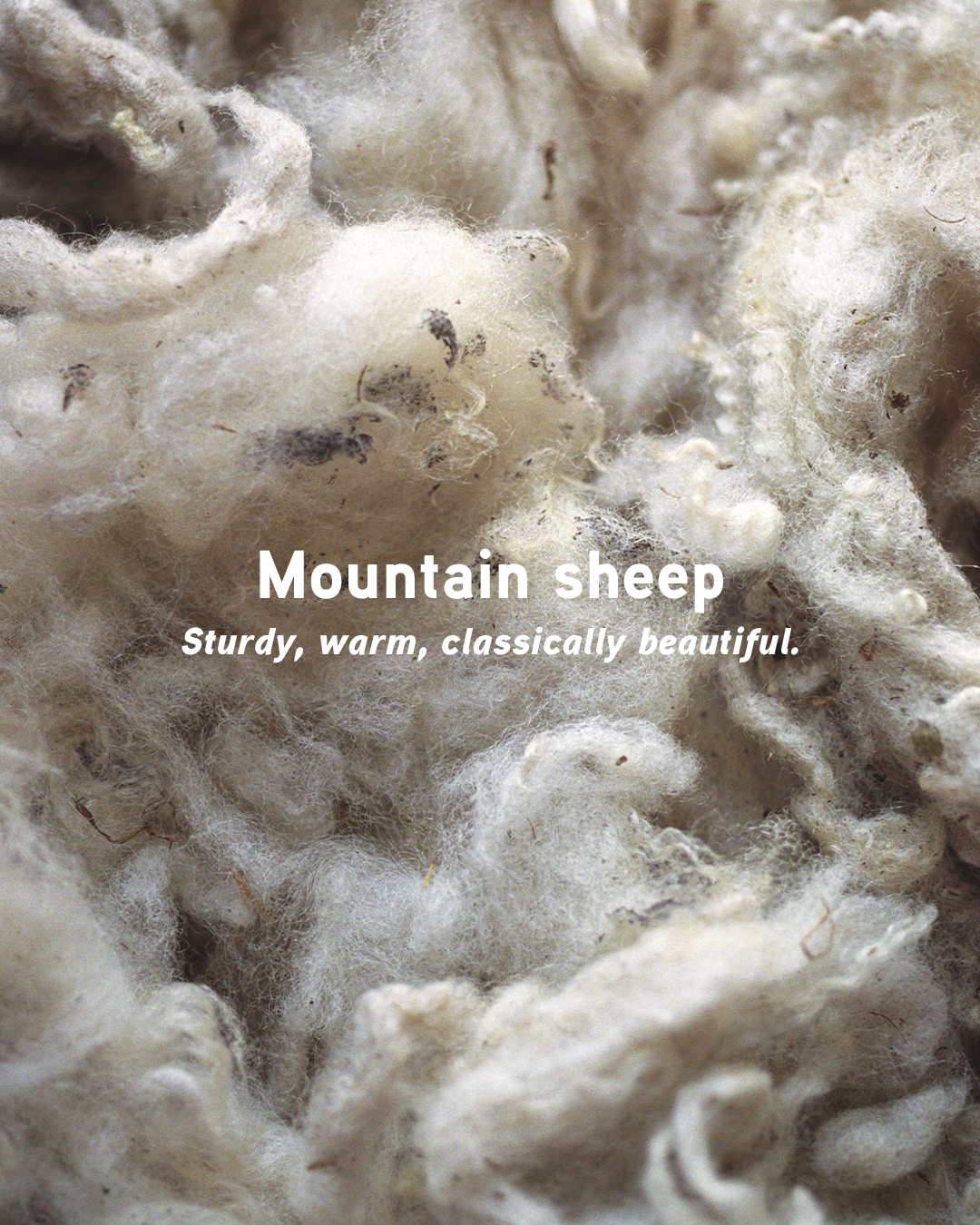
No. In general, there are no differences in the care of merino, alpaca, mountain sheep, cashmere or angora wool.
An exception applies to our undyed blankets Nelly and Nora: unlike our other products, these should not be machine washed on a 30°C wool cycle. Instead, they should be washed gently by hand using a wool detergent at a maximum temperature of 30°C.
Please never place pure wool blankets in a tumble dryer. It works in a similar way to a fulling process: the fibres felt more intensely and the fabric shrinks. As a result, the blanket may lose its shape and reduce in size. To help maintain its original form, we recommend drying it flat in the air.
Yes, this is completely normal – especially with blankets made from alpaca or merino wool. Only short, excess fibres are released. Alpaca blankets in particular may shed slightly at the beginning, which is a natural process and not a sign of inferior quality.
Loose fibres can easily be removed with a lint roller or a soft brush. This effect will subside over time. Your blanket will remain beautifully soft, fluffy and natural. At Steiner1888, we consciously avoid chemical treatments so that the fibres retain their natural character – soft, breathable and durable.
As long as a blanket is in regular use, moth infestation is very unlikely.
If not used for an extended period, we recommend the following measures:
1. Natural remedies
Lavender: The classic choice – moths dislike its strong scent. Place dried lavender in small sachets between the blankets or apply a few drops of lavender oil to cotton wool.
Cedarwood: Cedar blocks or balls release a natural fragrance that repels moths. Lightly sand them regularly or refresh with cedar oil.
Bay leaves or cloves: Place them in a small cotton sachet and store in wardrobes or drawers.
Soap or lemon peel: Pieces of mild soap or dried lemon peel can also have a deterrent effect.
2. Preventive measures
Store clean: Moths are attracted to dirt and perspiration residues. Always clean or air textiles thoroughly before storing.
Store wool blankets in cotton covers, garment bags or boxes.
Air regularly: Fresh air and light deter moths.
3. Additional solutions (if infestation is a risk)
Pheromone traps: These attract male moths and help prevent reproduction.
Natural moth-repellent sprays: Products based on lavender, cedarwood or neem oil are particularly gentle.
Moth paper with plant-based oils: A practical solution for long-term protection in wardrobes.
Moth damage is not a sign of poor quality, but usually the result of improper storage or infrequent use. For this reason, we cannot accept claims based on moth damage.
Static in wool is usually caused by dry air or friction. In this case, lightly adding moisture to the product can help.
Air your wool item outdoors in damp weather (e.g. mist or light drizzle), use a humidifier indoors, or hang it in the bathroom after showering. The fibres absorb moisture, which significantly reduces static build-up.
Loden is exceptionally easy to care for. After wearing, it is usually sufficient to air the garment outdoors, allowing the wool to naturally regenerate and release any odours.
Light dirt should first be left to dry and then gently brushed out with a soft brush. Any remaining residue can be carefully treated with a solution of water and vinegar using a soft brush. If this does not achieve the desired result, we recommend professional dry cleaning.
Static in wool is usually caused by dry air or friction. In this case, lightly adding moisture to the garment can help.
Air your wool garment outdoors in damp weather (e.g. mist or light drizzle), use a humidifier indoors, or hang it in the bathroom after showering. The fibres absorb moisture, which reduces static build-up.
Yes, this is completely normal. Pilling occurs when short wool fibres loosen through friction and form small bobbles on the surface. This typically appears in high-wear areas and is not a defect, but a natural characteristic of wool.
The bobbles can be easily removed using a fabric shaver or a pilling comb. After a few treatments, pilling usually subsides as the fibres settle and smooth over time.
As long as your garments are worn regularly, moth infestation is very unlikely.
If not used for an extended period, we recommend the following measures:
1. Natural remedies
Lavender: The classic choice – moths dislike its strong scent. Place dried lavender in small sachets between the garments or apply a few drops of lavender oil to cotton wool.
Cedarwood: Cedar blocks or balls release a natural fragrance that repels moths. Lightly sand them regularly or refresh with cedar oil.
Bay leaves or cloves: Place them in a small cotton sachet and store in wardrobes or drawers.
Soap or lemon peel: Pieces of mild soap or dried lemon peel can also have a deterrent effect.
2. Preventive measures
Store clean: Moths are attracted to dirt and perspiration residues. Always clean or air garments thoroughly before storing.
Store garments in cotton covers, garment bags or boxes.
Air regularly: Fresh air and light deter moths.
3. Additional solutions (if infestation is a risk)
Pheromone traps: These attract male moths and help prevent reproduction.
Natural moth-repellent sprays: Products based on lavender, cedarwood or neem oil are particularly gentle.
Moth paper with plant-based oils: A practical solution for long-term protection in wardrobes.
Moth damage is not a sign of poor quality, but usually the result of improper storage or infrequent use. For this reason, we cannot accept claims based on moth damage.
The same principles apply as for moth prevention: store garments clean, move them occasionally, and use natural fragrances such as lavender or lemon.
It is also important to store them in a dry, light-protected environment to prevent fading and ensure long-term protection.
In areas subject to heavy use (e.g. bench seating), the raised surface fibres may gradually wear down over time. As a result, the fabric may appear slightly thinner and the weave may become faintly visible.
This is a natural process of wear and does not affect the quality. Our upholstery fabrics are heavily fulled and highly durable. Their resistance is tested in-house using the Martindale method, which measures how many abrasion cycles a fabric can withstand. Depending on the quality, our loden fabrics achieve between 35,000 and 120,000 Martindale cycles, placing them among particularly robust and long-lasting upholstery materials.
Dried dirt should first be brushed off when dry. If necessary, it can then be treated with lukewarm water and a soft clothes brush.
For more stubborn stains, we recommend consulting our stain guide for loden upholstery fabrics, where you will find practical advice on targeted stain removal and proper care of your loden.
This is how it works: The following types of stains are listed from A–Z and can be expanded. First apply step A and allow it to dry. If not successful, proceed with step B and, if necessary, step C.
When using chemical cleaners, please follow the manufacturer’s instructions. We cannot guarantee successful stain removal.
AUpholstery cleaner with a little wine vinegar
B Alcohol, diluted 1:5 with water
C1 tsp borax solution 2% dissolved in warm water
A Alkohol
B Nail polish remover without oil
C 1/2 tsp chemical detergent 1% dissolved in warm water
A Cold water and 1 tsp table salt solution 2% dissolved in warm water.
B Upholstery cleaner with a little wine vinegar
C1 tsp borax solution 2% dissolved in warm water
A Gum spray or hot iron over a layer of white kitchen paper.
B spirit, turpentine or substitute
C Upholstery cleaning agent diluted according to manufacturer's recommendation.
A Gum spray or hot iron over a layer of white kitchen paper.
B Spirit, turpentine or substitute and brand name cleaner for greasy/oily stains.
C Upholstery cleaning agent diluted according to manufacturer's recommendation.
A Thoroughly vacuum
B Upholstery cleaning agent diluted according to manufacturer's recommendation
C Spirit, turpentine or substitute
AGum spray
B Branded cleaner for greasy/oily stains and nail polish remover without oil
C Alcohol
A Spirit, turpentine or substitute
B Brand cleaner for greasy/oily stains
C Upholstery cleaner diluted according to manufacturer's recommendation
A 1 tsp. borax solution 2% dissolved in warm water with a little wine vinegar
B Alcohol diluted 1:5 with water
C 1 tsp borax solution 2% dissolved in warm water
A Upholstery cleaner with a little wine vinegar
B Spirit, turpentine or substitute
C 1 tsp borax solution 2% dissolved in warm water
A Gum spray
B Branded cleaner for greasy/oily stains and nail polish remover without oil
C Alcohol
A Alkohol
B Nail polish remover without oil
C Upholstery cleaning agent diluted according to manufacturer's recommendation.
A Upholstery cleaner with a little wine vinegar
B1 tsp borax solution 2% dissolved in warm water
C 1/2 tsp chemical detergent 1% dissolved in warm water
A Cold water and 1 tsp table salt solution 2% dissolved in warm water.
B Upholstery cleaning agent diluted according to manufacturer's recommendation.
C 1/2 tsp chemical detergent 1% dissolved in warm water
A Alkohol
B Nail polish remover without oil
C Upholstery cleaning agent diluted according to manufacturer's recommendation.
A Spirit, turpentine or substitute
B Brand cleaner for greasy/oily stains
C Upholstery cleaner diluted according to manufacturer's recommendation
A 1 tsp. borax solution 2% dissolved in warm water
B Upholstery cleaning agent diluted according to manufacturer's recommendation
CAlcohol and nail polish remover without oil
A Spirit, turpentine or substitute
B Upholstery cleaner diluted according to manufacturer's recommendation
CBrand cleaner for greasy/oily stains
A Upholstery cleaning agent diluted according to manufacturer's recommendation
B Professional cleaning / specialist
A Upholstery cleaning agent diluted according to manufacturer's recommendation
B1 tsp borax solution 2% dissolved in warm water
ASpirit, turpentine or substitute
B Brand cleaner for greasy/oily stains
C Upholstery cleaner diluted according to manufacturer's recommendation
A1 tsp. borax solution 2% dissolved in warm water
B Upholstery cleaning agent diluted according to manufacturer's recommendation
C Alcohol and nail polish remover without oil
A1 tsp table salt solution 2% dissolved in warm water.
B Upholstery cleaner with a little wine vinegar
C1 tsp borax solution 2% dissolved in warm water
A 1 tsp table salt solution 2% dissolved in warm water.
B Alcohol, diluted 1:5 with water
C 1 tsp borax solution 2% dissolved in warm water
A Nail polish remover without oil
B Professional cleaning / specialist
A Spirit, turpentine or substitute
B Brand cleaner for greasy/oily stains
CUpholstery cleaner diluted according to manufacturer's recommendation
A Spirit, turpentine or substitute
B Upholstery cleaner diluted according to manufacturer's recommendation
C Professional cleaning / specialist
A Upholstery cleaner with a little wine vinegar
B Spirit, turpentine or substitute
C 1 tsp borax solution 2% dissolved in warm water
A Upholstery cleaner with a little wine vinegar
B Spirit, turpentine or substitute
C 1 tsp borax solution 2% dissolved in warm water
A Upholstery cleaner with a little wine vinegar
B Spirit, turpentine or substitute
C 1 tsp borax solution 2% dissolved in warm water
A Upholstery cleaning agent diluted according to manufacturer's recommendation
B1 tsp borax solution 2% dissolved in warm water
A Gum spray or hot iron over a layer of white kitchen paper.
B spirit, turpentine or substitute
C Upholstery cleaning agent diluted according to manufacturer's recommendation.
A Upholstery cleaner diluted according to manufacturer's recommendation
B1 tsp. household disinfectant dissolved in 1 liter of water
C Professional cleaning / specialist
A Upholstery cleaner diluted according to manufacturer's recommendation
B 1 tsp. household disinfectant dissolved in 1 liter of water
C Professional cleaning / specialist
A Cold water
B Upholstery cleaner diluted according to manufacturer's recommendation
C Professional cleaning / specialist
A Upholstery cleaner diluted according to manufacturer's recommendation
C 1 tsp borax solution 2% dissolved in warm water with some wine vinegar
B Alcohol, diluted 1:5 with water